
Circular economy for the wine industry
Distillation and valorization of wine by-products in Romania
35,000 t
CO2 avoided annually
51,000 t
biomass processed per year
80%
of Romania’s wine by-products can be treated
152
direct and indirect jobs
We transform grape pomace, lees and winemaking residues into ethanol, calcium tartrate, grape seeds and organic fertilizer through sustainable distillation processes.
What is Bioaldevin and what problem does it solve?
Bioaldevin manages and transforms wine by-products from wineries into new industrial resources such as ethanol, calcium tartrate, grape seeds and organic fertilizers.
Our industrial plant in Odobești (Vrancea) is a key infrastructure for the circular economy of Romania’s wine sector.
- Odovesti, Vrancea
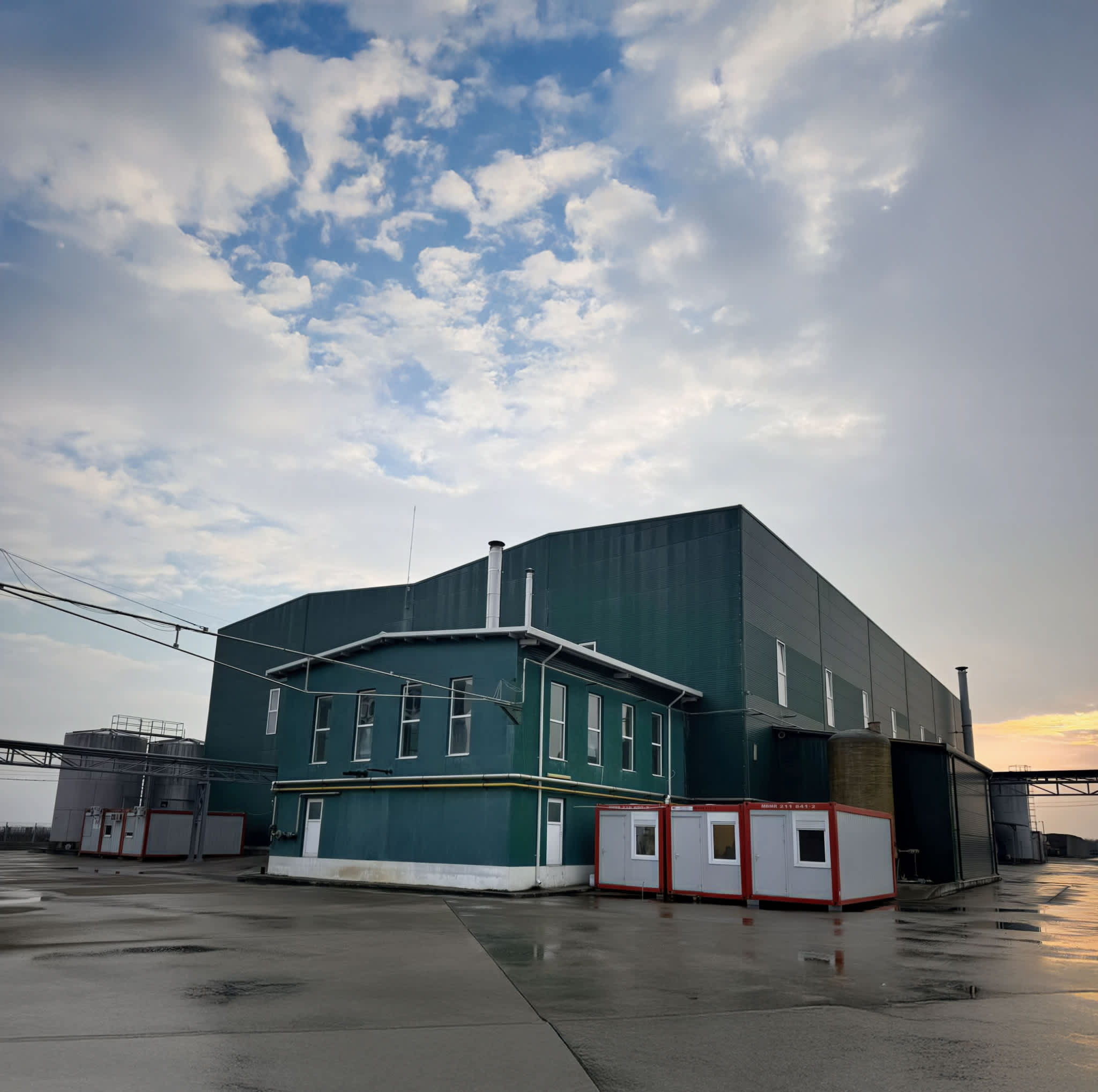
Circular economy applied to wine
Bioaldevin converts winemaking residues into industrial resources, reducing the sector’s environmental impact and generating value throughout the wine value chain.

Regulatory compliance
We guarantee the proper management of wine by-products in accordance with European legislation.

Cost reduction
We optimize winery waste management by reducing logistics and operating costs.

Positive environmental impact
We reduce emissions and waste, promoting a more sustainable production model.
Raw materials we process
Grape pomace
Solid residue generated after pressing the grapes.
Wine lees
Sediments resulting from the fermentation process.
Filtered yeasts
By-products from filtration processes.
Wine tartrates
Crystalline deposits formed during fermentation.
Products obtained
Bioaldevin’s industrial processes make it possible to transform winemaking residues into raw materials used in different industrial sectors.
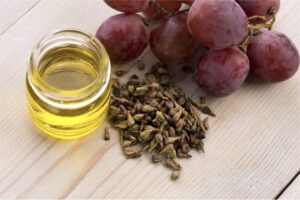
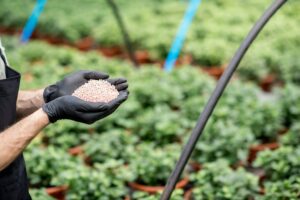
Organic fertilizer
Intended for the regeneration of agricultural soils.
Distillation process,
capacity and logistics
Bioaldevin brings together in a single industrial center all the stages needed to transform winemaking residues into industrial resources.
Collection of by-products from wineries
Reception and classification

Distillation and extraction

Separation and drying
Production of new raw materials
We turn waste into resources
Benefits for wineries, industry and the environment
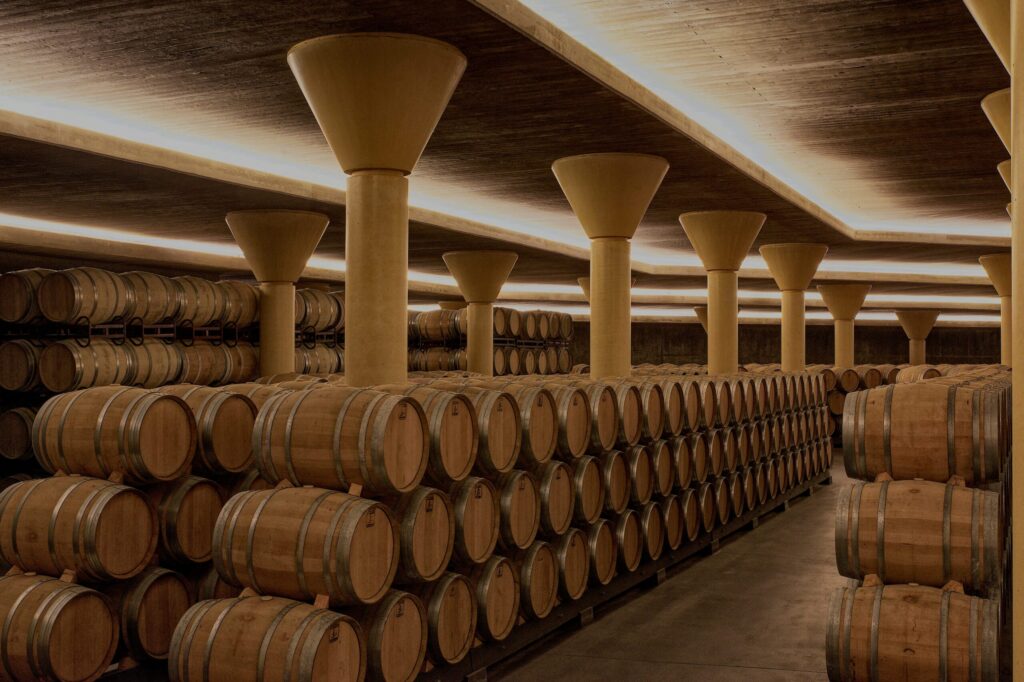
Wineries
- — Comprehensive management of by-products.
- — Compliance with environmental regulations.
- — Reduction of operating costs.
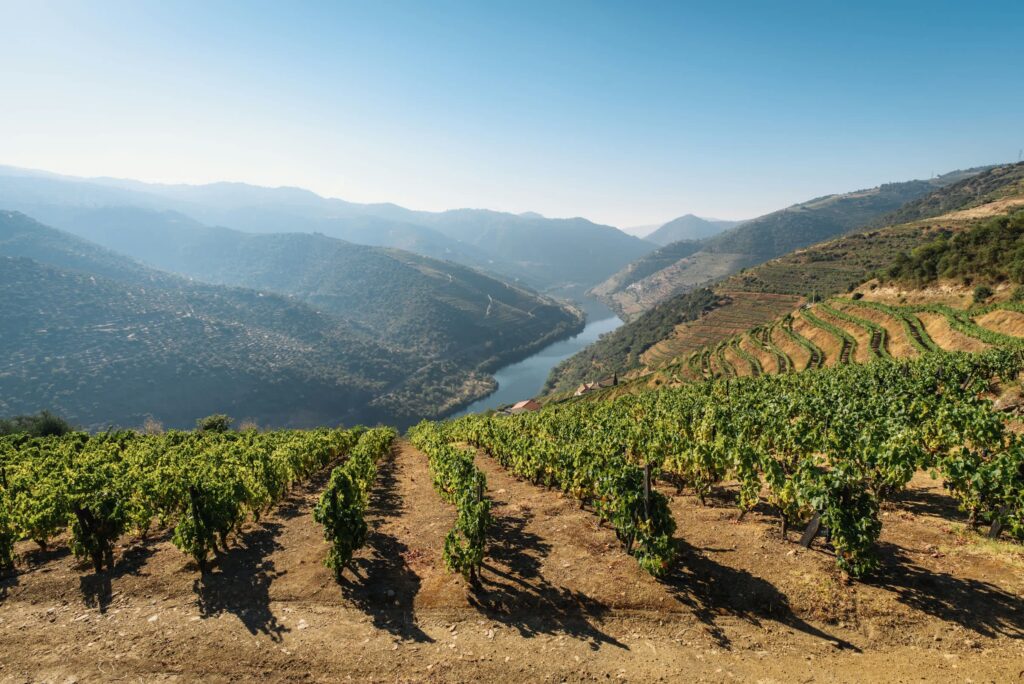
Environment
- — Reduction of CO₂ emissions.
- — Prevention of soil and water pollution.
- — Recovery of agricultural nutrients.
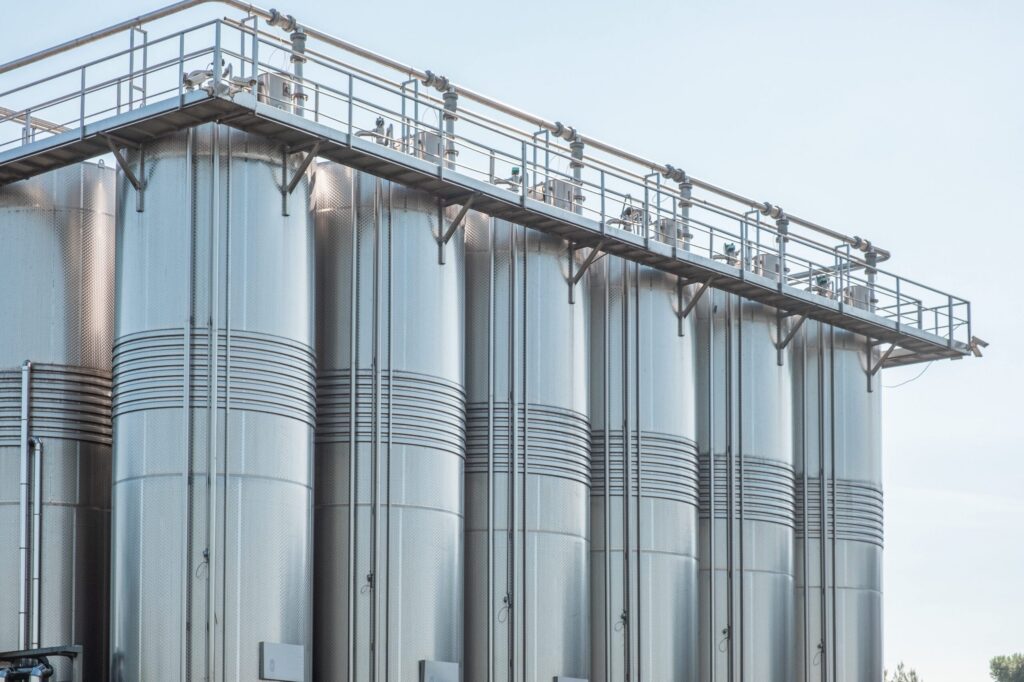
Industry
- — Local production of raw materials.
- — Reduction of imports.
- — Boost to the circular economy.
Quality and traceability
Bioaldevin applies control and traceability systems at every stage of the industrial process to ensure the proper management of wine by-products.
Our model ensures transparency, regulatory compliance and quality in the products
Frequently asked questions
We answer the most common questions about the management, treatment and recovery of wine by-products.
Are there minimum quality parameters for incoming raw materials?
Yes. To ensure proper management and treatment of wine by-products, the material must arrive clearly identified, separated by fraction, and in suitable condition for reception.
Bioaldevin works with raw materials that show no visible external contamination, are not mixed with waste unrelated to the winemaking process, and maintain a controlled level of degradation. The minimum quality conditions applicable to each type of raw material are set out in the collaboration agreement.
What level of impurities or foreign materials can be accepted?
Impurities must remain as low as possible so that traceability, classification and industrial treatment are not affected. Minor accidental impurities may be accepted, but materials such as plastics, metals, glass, stones, rope, cardboard or unrelated waste are not accepted. The recommended maximum threshold is 2% non-hazardous foreign matter.
What happens if one raw material arrives mixed with another fraction?
Bioaldevin reviews the load to determine whether it can be reclassified, separated or treated without affecting the efficiency of the process.
Depending on its composition, the load is accepted under special conditions, redirected to differentiated handling, or rejected. For loads requiring additional handling, an extra operating cost of 10% may apply.
How does grape pomace moisture content affect treatment?
Grape pomace moisture has a direct impact on collection logistics, transported weight, material stability and downstream processing efficiency. Pomace with excessive moisture increases operating costs and makes handling more complex at the plant. The suitable moisture range is between 45% and 65%.
Do wine lees require any preparation before collection?
Yes. Wine lees must be stored in conditions that allow clear identification, safe pumping and loading. They must also be kept separate from other fractions or non-compliant waste.
Before scheduling collection, it must be indicated whether the lees are fresh or decanted, whether they contain suspended solids, and in which tank or container they are stored.
How should each raw material be identified before removal?
Each raw material must be clearly identified before removal to ensure by-product traceability from the winery to treatment. Identification must include at least the material type, winery of origin, estimated volume, generation date and loading point. The working format can follow winery code + by-product type + date + volume.
Can a raw material be rejected if it does not meet the minimum reception conditions?
Yes. A raw material is rejected when it does not meet the minimum reception conditions, especially in cases of external contamination, undeclared mixed fractions, identification issues or a condition that affects safety, traceability or treatment quality. Where technical review is required, the assessment is completed within approximately 24 hours from receipt.
What technical information should be shared before scheduling collection?
Before scheduling collection, it is important to provide the material type, estimated quantity, exact location, proposed loading date, storage method and any operational detail that may affect the pickup, such as moisture, mixed fractions or difficult access. Bioaldevin requires estimated volume, container type, available loading window and winery contact person.
What documentation does the winery need to schedule a collection?
To schedule the collection of winery by-products, the winery must provide the basic documentation needed to identify the origin, raw material type, estimated quantity and loading location. The required documentation includes a collection request form, tax details, load identification sheet and delivery note or transport document.
How far in advance should collection be requested?
Collection must be requested early enough to allow route planning, transport allocation and plant reception scheduling. During harvest periods or in areas with a high concentration of wineries, advance notice becomes even more important. The standard notice period is 3 to 5 working days.
Is there a recommended minimum volume for efficient transport planning?
Yes. To optimize transport, the recommended minimum volume is the equivalent of a full truck or a full tanker.
For these volumes, Bioaldevin organizes and covers the transport. For smaller quantities, the client arranges their own transport to the Bioaldevin plant.
How is traceability guaranteed from the winery to treatment?
Traceability is ensured through origin registration, transport tracking, document control and verification on receipt. This controlled management system makes it possible to follow each by-product throughout the process.
What factors influence transport cost and how is it calculated?
The organization of transport depends on the distance to the Bioaldevin plant, the type and volume of the by-product, access to the loading point, the time required for loading, and the availability of transport.
For a full truck or a full tanker, Bioaldevin organizes and covers the transport. For smaller quantities, transport to the plant is organized by the client.
Which regions does the collection service cover?
Bioaldevin’s collection service covers wineries and wine-sector operators throughout Romania.
Logistics are adapted to the volume, type of wine by-product and route planning to the Odobești plant. Collection also extends, on a case-by-case basis, to neighboring countries, depending on volume and operational planning.
Does the winery receive proof of receipt or treatment?
Yes. The winery receives a receipt or treatment record confirming delivery of the by-product and reinforcing internal and external traceability. Bioaldevin issues a receipt of acceptance within 24–48 hours and provides a final treatment certificate on request.
What is the fastest channel for technical support or logistics issues?
The fastest way to resolve logistics issues or technical questions is direct contact with the operations or logistics team, especially when the issue affects a scheduled pickup. The priority channel is a direct operations phone line, supported by a logistics email, with an estimated response time of under 4 working hours.
Cum pot solicita colectarea subproduselor vitivinicole?
To request collection, fill in the form on the website and indicate the type of material, estimated quantity, location, available pickup period and contact details.
The Bioaldevin team reviews the request and determines the collection, transport and reception conditions based on the volume and type of by-product.
Management and collection of wine by-products
If you need to organize the collection of grape pomace, lees or other winemaking by-products, our team can assess your case and propose a tailored solution.
We help you plan the service, resolve operational questions and request a quote according to volume, location and type of material.
Tell us about your request